
Truthfully, I never foresaw myself shadowing or working in a geriatrics facility. My goal, as stated in prior posts, has always been to work with Special Needs children and I’d never spent enough time in a nursing home or assisted living facility to take it into consideration for my career. Yet, this is where I found myself shadowing for the past two months with the greatest of joys in my heart.
In applying to the Recreational Therapy program at ECU, I was initially faced with a dilemma. As I had switched majors just a month before my junior year classes began, I was not very informed on the application process. I found that I unfortunately needed to document 25 hours minimum of shadowing in just three weeks alongside taking a full course load of classes. Desperate, I contacted every possible Recreational Therapy facility I could find, which wasn’t many. It seemed that Greenville was short in this department. But I finally came across the geriatrics unit that I currently volunteer at and, although not my ideal choice, decided to give it a shot.
To say I was pleasantly surprised is a vast understatement. I was immediately put into situations that put me out of my sheltered comfort zone, giving me a good scope on my future profession and teaching me many valuable lessons along the way. I began assisting in long-term care and assisted living, demonstrating simple exercises to engage patients in the morning and continuing various activities like bingo and table bowling throughout the day. I quickly noted the immense joy these activities brought to patients, who weren’t physically capable of doing much else throughout the day. We gave them the option to participate in each activity, but most graciously and excitingly did so.
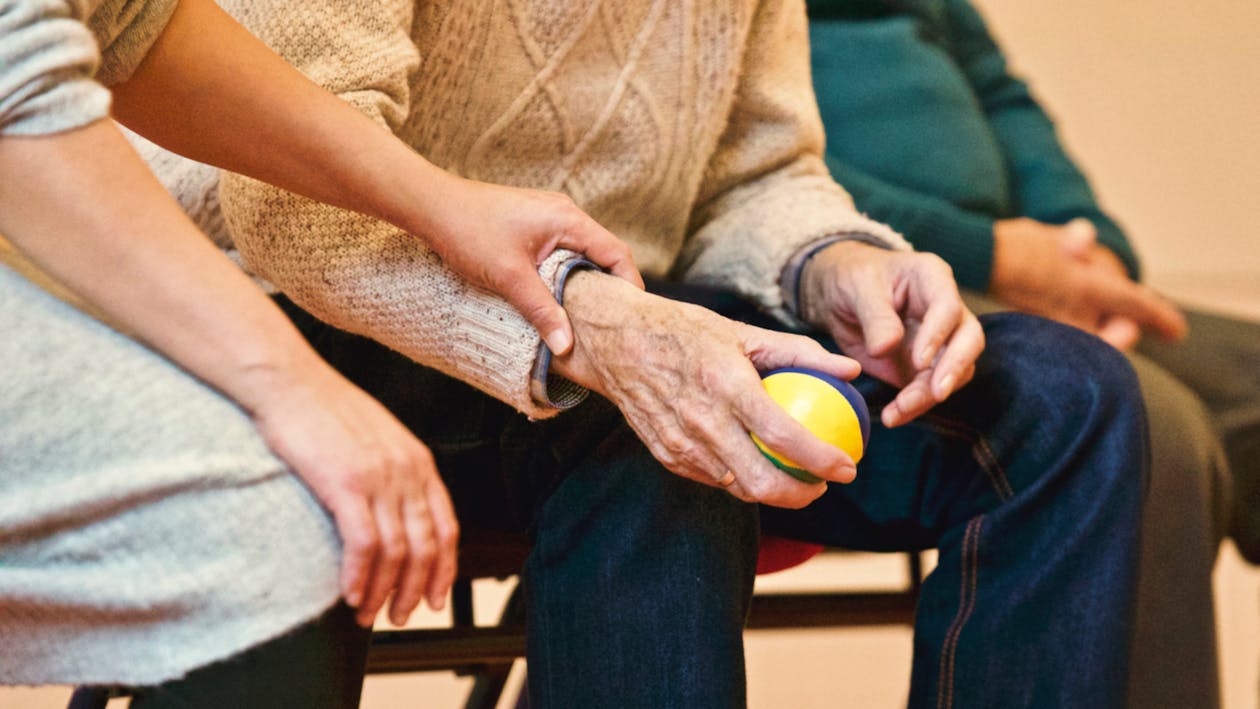
I also began working with Alzheimer’s and Dementia patients once a week, something I initially thought would be a disheartening task. We did morning stretches with them as well and it’s something they do quite well at. We usually play classic music whilst performing these stretches and it surprised me at how many of them were able to remember each and every word of some of the songs. Music seems to have a special and enchanting effect on boosting their memories. The tasks we perform thereafter are usually simpler than bingo, as some patients have mild motor dysfunction. One day we simply spent a few hours blowing bubbles, and all the patients were greatly entertained and mesmerized by them, much like children. It truly showed me the wonderful impact that recreational therapy can have on their livelihoods, firsthand.
I think geriatrics is often overlooked as a career pursuit by potential therapists. Most every other RT student I’ve spoken to plans to work with children, much as I planned to. However, there is a strong need for therapists in this specialty. Geriatric patients don’t have many options for activity in their day to day life, and recreational therapy alots time and creative methods to keep them engaged and to improve their overall quality of life.
The following article highlights how RT has aided dementia patients: https://www.ncbi.nlm.nih.gov/pmc/articles/PMC2780321/
The following video illustrates the importance of providing recreational activities for geriatric patients: https://youtu.be/xh1yo3WDxlA
 Merely Recreational Therapy